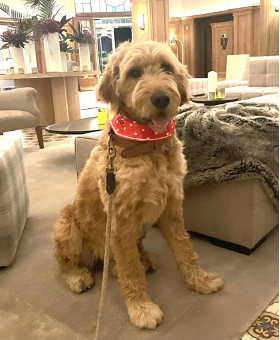
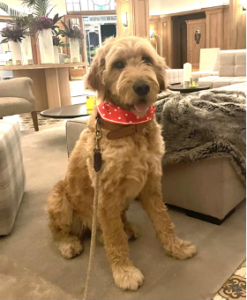
Born on 14 February, yes, Valentine’s Day, in Molbergen, Germany, Scooby was practically destined for love, chaos, and cuddles. He is a self-proclaimed Goldendoodle. Bright and curious, he now lives in Switzerland, where he enjoys long walks, bodies of water, people, and the occasional nap.
Scooby, what made you want to become a therapy dog?
Honestly, that was my owner’s dream, not mine. She had this lovely plan for us to visit hospitals, care homes, and libraries to give children the confidence to read and help people feel more connected. I admire that. But me? I was more of a “let’s chase those cats and see what happens” kind of dog. Sitting quietly while humans talk about their feelings? That’s hard when there’s a squirrel right there.
How was your puppy training?
Oh boy… there were treats, so I was interested for about three seconds. Then they wanted me to “stay still” and “ignore distractions.” The world is full of distractions, birds, smells….. I had several trainers, and they were patient, but deep down I knew: I was born to be free, not to recite commands. Some dogs have healing paws; I have muddy ones.
How did it feel when you didn’t make the final cut?
At first, I thought I’d failed. My owner looked sad, and I dislike it when she is upset. But then she hugged me and said, “You’re perfect just as you are.” That’s when I realised something huge: sometimes the best kind of therapy is just being loved for who you are, not for what you achieve. And let’s be honest, I still bring comfort.
Let’s talk about the rocks.
Ah yes, the great snack mistake of my life. One day, I found this shiny rock. It smelled delicious and I thought, “Mmm… crunchy.” Next thing I know, I’m at the vet, hooked up to tubes, getting more attention than a celebrity pup. Five days, belly rubs galore, everyone calling me “brave boy.” I even won Dog of the Month. I wouldn’t recommend eating rocks… but I do recommend learning from your mistakes. And, you know, playing the sympathy card just a little.
X-ray Le cabinet vétérinaire du Boiron , Nyon
Did that change how you see life?
Oh absolutely. That whole adventure taught me to live in the moment. Dogs are pretty good at that anyway. The past is gone, the future hasn’t happened, and now smells amazing. Also important to note: sticks over rocks, every time.
Sometimes humans swallow things that aren’t good for them — bad thoughts, worries, unhealthy relationships. Any advice?
Mmm, yes. Happens all the time. My advice? Spit it out. If it doesn’t feel right, drop it, shake it off, wag, and walk away. Don’t keep chewing on something that hurts. Life’s too short to swallow negativity. Plus, it gives you a metaphorical headache and tummy ache.
You might not be an official therapy dog, but you still help people, don’t you?
I do. I help my owner every day. She says I make her notice God’s handiwork, the light on Mont Blanc, the birds narrating everything, and the pure dopamine joy of being pulled on walks. I may not have a therapy badge, but I’ve got a big heart and a tail that works overtime. Sometimes the best comfort comes from just sitting quietly next to someone and existing together. Also, licking tears, I’m very good at that.
If you could tell humans one secret about dogs that they never seem to get, what would it be?
We don’t care about being called a “good boy.” What we actually crave is your calm presence; your energy speaks way louder than your words ever could. When you’re anxious or stressed, we feel that instantly, no matter how many times you say “good boy.” Talk to us like we’re actually part of your world. Play is how we learn you and how you learn us. So skip the praise, give us genuine connection, eye contact, and steady love instead. That’s what we understand best.
Any final message you’d like to share?
I learned that not everything that looks good is good for you. I also learned that healing takes time and that it’s okay to let others take care of you. Don’t chase perfection, chase joy. Take naps without guilt. Wag when you can. Forgive quickly, love loudly, and if life gives you rocks… don’t eat them.
Few people speak about mental health with the raw honesty of Damien O’Brien.
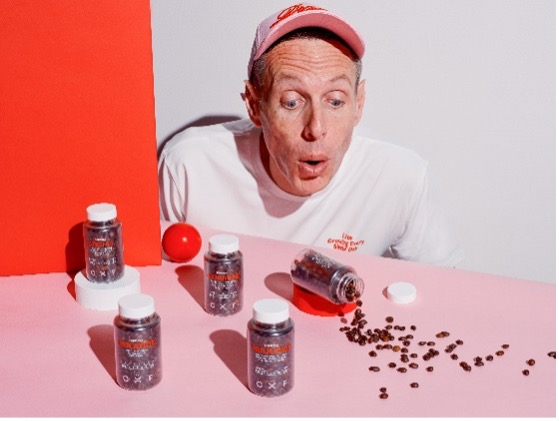
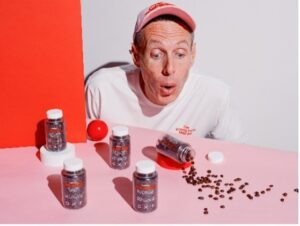
Founder of The Mental Health Association Switzerland (TMHA) and Coffee Foundation. He has transformed life experiences of loss, affliction, and suffering into stories of resilience in one of Switzerland’s most vibrant, disruptive, and socially impactful movements. In this interview, he opens up about vulnerability as a superpower, finding purpose after trauma, design activism, and why Switzerland urgently needs a new mental-health culture.
What inspired the creation of The Mental Health Association Switzerland and Coffee Foundation?
Like so many young people and adults, I grew up in a world where “crazy” felt normal; violence, addiction, and trauma were part of everyday life. Eventually, my own life collapsed, and I hit a rock bottom that ended in hospitalisation. That’s where I was given one of the heaviest stigma labels societies has: “Damien, you’re mentally ill.” I was diagnosed with bipolar disorder.
Despite the cliché, the truth is simple: the very first step is the hardest; it was surrender. Surrendering to my alcoholism, which for years I used as self-medication to numb overwhelming emotions like anxiety, depression, and trauma. And surrendering to that painful diagnosis, accepting it not as a life sentence, but as a turning point. A moment where I realised there had to be some form of goodness in the darkness if I took responsibility for my mental health and my future, instead of being defined by my past. That surrender wasn’t weakness. It was the beginning of rebuilding my life. It forced me to confront everything I had spent years running from, and it ultimately became the foundation for the movement we are building today.
We rarely talk about the other side of mental health because it’s frightening, dark, and painful. I had already lost my mother to suicide and my brother to addiction, but over time, I realised something essential: the biggest killer wasn’t the illness itself, it was the silence, the shame, the stigma that stops not only me, but millions of others, from seeking help.
I wore a mask while bleeding inside, the pressure to isolate, to hide, to pretend, to disappear into society like so many who have no voice in an expert-driven mental-health system.
What makes TMHA different from other mental-health organisations?
TMHA is Switzerland’s first grassroots, lived-experience-led mental-health movement. We focus on prevention, emotional courage, human connection, and helping people open up. The movement is about building the confidence of everyday help-givers, friends, colleagues, and families, because most crises begin long before someone steps into a clinic. Stigma doesn’t break on LinkedIn. It breaks at home, in cafés, in the streets, at work, in the places where people actually talk. One conversation, I believe, can save a life.
Coffee Foundation has become Switzerland’s most awarded mental-health campaign. How did it begin?
We must act; we have a youth mental-health crisis in Switzerland. And it’s not only young people. Mental health has become the leading cause of workplace illness, and suicide is the leading cause of death for young people in this country. If you don’t believe it, try getting an appointment today for your son, daughter, or a family member; the system is overloaded.
You don’t need to be an expert to start a conversation about mental health. We all must become our own experts in looking out for the people around us. We focus on equipping people with the skills to build their mental fitness, the capacity to cope with life’s ups and downs. Our approach is built on three key elements: emotional adaptability, social connectedness, and help-seeking. We call these building your emotional muscles, looking after your village, and never worrying alone.
Your story is a central part of this movement. Can you share more about your personal journey?
I grew up in the housing estates of South Sydney and Mount Druitt, a childhood marked by instability and violence. My mother died by suicide, and my brother from addiction. Later, I faced bipolar disorder, addiction, psychiatric hospitalisation, and the collapse of my own life and career.
Today, I use that history to open doors others keep closed. I use vulnerability, humour, and raw honesty to start conversations that usually stay buried. I am blessed to be both Swiss and Australian and to have seen the cultural revolution around mental health in Australia. I believe Switzerland can change too, toward a culture where we seek help early, where open and honest relationships are normal, and where we feel comfortable expressing ourselves no matter what… so no one has to worry alone.
How has the mission changed since you started?
When we began, the goal was simple: just start the conversation. Today, that small spark has grown into a national stigma-breaking movement. Our mission has evolved from raising awareness to reshaping culture. TMHA now works toward a Switzerland where emotional courage is valued, vulnerability is normal, asking for help is safe, checking in on others is instinctive, and mental illness is recognised as part of being human, not something to hide.
We’ve moved far beyond campaigns or messaging. This is now about building a new social norm: conversations happening in cafés, workplaces, families, schools, and communities before people hit crisis. The mission has become a collective one — empowering everyday people to support each other, strengthening our social fabric, and ensuring no one has to suffer in silence.
TMHA and the Coffee Foundation have gained significant recognition. What impact have you made so far?
I’ve just been invited to speak at TEDx in Geneva in March, and as of this morning, our campaign animation has been viewed more than 150,000 times on YouTube. We’ve become Switzerland’s most internationally recognised mental-health campaign movement.
Our awards include the World Brand Design Society Silver Award, the Brand Impact Awards Bronze, the Givsly Impact Awards NYC Finalist, the Sprudge Design Awards Finalist, and Best Coffee Branding & Design UK 2025.
Our public reach includes interviews on La Télé, RTS, LFM Lausanne, World Radio Switzerland, and Radio Fribourg; coverage from 143.ch, Dargebotene Hand, Branding Asia, and I’m Not A Barista; more than 5,000 TAKE FIVE guides distributed; over 2,000 hours of direct public engagement; and tens of thousands of meaningful conversations at Montreux Noël, Vevey Noël, and Swiss Coffee Connection. Corporate anti-stigma events have been held with Bayer, Audemars Piguet, Medtronic, and others.
Our community impact includes CHF 15,000 donated to youth mental-health and suicide-prevention projects, and strong partnerships with organisations such as 143.ch, the GRAAP Foundation, and local community groups.
What principles guide your work?
Our guiding principle is simple: if it doesn’t benefit the community, we don’t do it. Every decision, every product, every partnership must genuinely help people — not just look good on paper. Integrity isn’t optional for us; it’s the foundation of everything.
Our values shape everything we do:
We’re Real: Real people sharing real-life experiences — openly, honestly, without filters or façades.
We’re a Village: Support is a community responsibility. We look after our friends, family, colleagues, and neighbours — because no one should struggle alone.
We’re Vulnerable: We treat vulnerability as a superpower. Speaking openly about mental health is never weakness — it’s courage, connection, and prevention.
We Disrupt: Silence is our greatest enemy. We use bold design, street-level engagement, and creative activism to break taboos and make conversations unavoidable.
What obstacles have you faced — and how did you overcome them?
We’ve learned that many actors in the mental-health space engage in what we call mental-health washing — and many corporations are complicit in it. At the same time, several associations and institutions in Switzerland hold deep, ingrained prejudices against anything new, bold, or different. We’ve faced stigma, xenophobia, institutional rejection, lack of funding, and the reality of being underestimated — because lived experience and prevention still hold little value in the traditional mental-health industry.
But we survived, and grew, through courage, creativity, bold design, community support, volunteers, and pure audacity. We don’t play by traditional rules. That’s exactly how we break stigma, because the mental-health crisis doesn’t play by the rules.
What’s next for the movement?
Our goal is to become Switzerland’s leading mental-health movement, not by being the biggest organisation, but by making emotional courage and real conversations a normal part of everyday life. We want to see mental-health discussions happening naturally in cafés, schools, workplaces, homes, and communities across the country.
We plan to expand the TAKE FIVE model nationally, bringing simple, accessible tools to help people start life-changing conversations. We are also developing the Pink Ambulance, a mobile mental-health unit that will bring support, visibility, and connection directly into communities, especially where silence and stigma are strongest.
Another major focus is building a nationwide community of emotional supporters — ordinary people with the courage to check in, listen, and help others long before crisis. And we will continue partnering across education, corporate, health, and public sectors to ensure mental health becomes everyone’s responsibility.
If you’re a superhero, or simply a human being or organisation, who wants to make a difference and join the movement, get in contact with me. Our dream is simple: a world where mental health receives the same care and compassion as physical health. Fight with us — or just CALL US CRAZY!
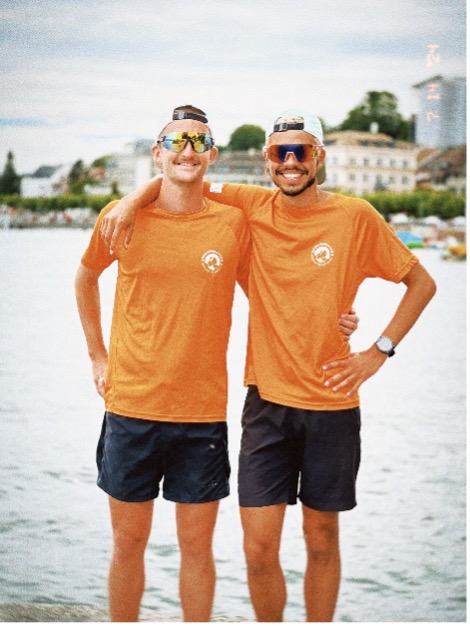
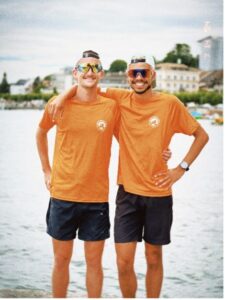
Léo and Robbie’s journey is a powerful story of endurance, friendship, and the unifying power of sport. Over 26 consecutive days, they ran 26 kilometers each day, covering all 26 cantons of Switzerland. Their challenge wasn’t just about distance, it was about discovery and having a positive impact. Through their efforts, they raised over 26,000 CHF for Sportegration, a non-governmental organisation that works towards the successful and sustainable integration of people from a refugee background into Swiss society through sport.
What inspired you to take on the challenge of running 26 kilometers every day for 26 days?
Léo and I (Robbie) discovered our mutual passion for running during the confinement months of 2020, when going for a run was the only way for us to hang out. Being inspired by the likes of Nick Butter (ran a marathon in every country in the world), Emily Rudlow (ran a half-marathon for 74 consecutive days), or the Hardest Geezer (ran across the entire length of Africa), we wanted to come up with our own challenge. We realised how much there is to discover, experience and enjoy locally, in our own playground, rather than somewhere far away. Spending the better part of a year stuck at home, with no prospects for international travel, gave us the opportunity to explore our homeland like never before, and this is where the idea of a national challenge was born: to run 26km in Switzerland’s 26 cantons in 26 consecutive days.
What was the hardest part of running daily across all 26 cantons, and how did you push through it?
For both of us, the hardest part of Project26 was almost certainly the preparation – both in terms of the logistics and, of course, the physical training. In the months before the project, we were racking up 100-kilometre training weeks, alongside our full-time jobs as well as the often very tedious tasks required to organise such a project. This often meant “double days” – running once in the morning before work and again after work in the evening. As relatively new runners, our training plan for this project represented a huge step-up in what we were used to running and really tested our physical and mental resilience. Deciphering between minor niggles and potentially more significant injuries became an everyday battle. To add to this, Léo was still recovering from a serious and invasive surgery to remove a bone tumour around the hip joint, which added considerable anxiety for both of us as we knew there were no margins for error in the months of physio and strength re-building leading up to the start of the project.
During the project, we found the first 10 days the most difficult as our bodies adjusted to the strain of running 26 kilometers a day, often on very little or poor quality sleep and whilst juggling logistics (train times, accommodation arrangements, event planning, fundraising, etc). After the first 10 days, our bodies seemed to adjust and our recoveries accelerated – the mornings of barely being able to move our legs became fewer and farther between and we eased into our new routine.
Was there a day that really tested you, and how did you get through it?
During the project, we averaged about 3 hours per run, some days were quicker (between 2-2.5 hours) and others closer to 4-5 hours. However, in Appenzell Innerrhoden (day 6) the run took us over 7 hours as it included over 2,000 vertical meters. As this was near the beginning of the project, we also hadn’t quite got used to the aches and pains either, so we started this run with heavy legs, which only got heavier as the run went on.
Having just completed the third big climb in the run, both starving, we spotted a small restaurant on the mountain and determined that we had earnt a quick lunch break. As soon as we sat down, we looked at our watches hoping to see that we’d made good progress: “Time elapsed: 2.5 hours; Distance: 7km” – it was going to be a long and tough day.
As was often the case on this project and likely the reason we managed to complete it all, the harder things got, the sillier we got. We spent the next 5 hours after lunch intermittently switching between bursts of manic laughter – the highest of highs – and complete silence, as we both individually questioned what we had signed up for.
Ultimately, it was our friendship and a sense of being in it together which got us out of the many ruts we got ourselves into on this trip. Every evening seeing the support we were receiving on social media and the donations flowing in also really helped push us on.
Did doing this challenge change the way you see your own limits or abilities?
Absolutely. One of the biggest discoveries from this Project was the huge gap between what we perceived our physical and mental limits to be, and what they actually were. There were countless moments during the project where we questioned, either due to injuries, nausea, lack of sleep, or exhaustion, whether we would be able to complete this challenge and every time we prevailed with a stronger sense of determination.
Separate from the physical takeaways of this project, it also required us to put ourselves out there – whether that be by promoting the project on social media and at events, or by reaching out to sponsors, hotels, and donors seeking their support. In many ways this was another significant part of the challenge, particularly for one of us (*cough* Robbie *cough*), who was less accustomed to being in the public eye.
How did the journey influence your perspective on endurance, teamwork, and personal growth?
I think as we mentioned above, when we first came up with the idea for this challenge we were both terrified and I (Léo) really didn’t think it would be achievable. But, by putting in the work and the effort over a long period of time (about 3 years between when we first had the idea and when we completed the Project) and incrementally progressing, you end up achieving things you thought were out of your reach. For both of us it was the project with the longest horizon we’d ever worked towards, and we couldn’t have done it without each other. We moved in together as a way to encourage each other and also to hold each other accountable. So, many a day one of us would wake up exhausted and unmotivated but hearing the other one lacing up their shoes was the positive peer-pressure we needed to get moving. On the personal growth side, I think we both built a lot of self-confidence and experience in being very far outside our comfort zones whether that be physical or mental, and because on top of that we reached our running goal and our fundraising goal.
How did it feel knowing your runs were helping Sportegration and supporting refugees?
We are both firm believers in the unique power of sport to break down social barriers and unite people from all walks of life, so when we found out about Sportegration and met with their staff and beneficiaries, it was instantly a perfect match. We wanted the project to be as inclusive as possible, so all our events were open for people to join and on a number of our runs we were joined by members of Sportegration’s run club. Running side by side and hearing first-hand how Sportegration has changed lives was very powerful and definitely helped spur us on throughout the project.
On a number of occasions, we didn’t speak the same language as the people we were running with (one particular example of running with two runners from Afghanistan in Bern springs to mind…), but through a combination of hand signals and broken English we made it work. It was a powerful reminder of how effective sport can be at bringing people together, regardless of language, or indeed culture, religion, or any other means of differentiating people.
In short, although the world can feel increasingly divided (often by design), this project reminded us of our fundamental unity. It served as a powerful reminder of not buying into the divisive narratives regularly amplified by political actors and the media. Instead we hope that this project was able to shine a spotlight on our shared humanity and the incredible work done by people and organisations like Sportegration. We wanted to focus on positivity rather than negativity, there’s plenty enough of that going around.
What’s next for you both after completing PROJECT26?
Watch this space… but rest assured, many exciting projects are in the works. Beyond pushing ourselves, we loved the community aspect of this project and we’d love to do more in that space.
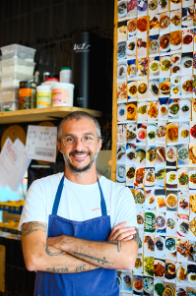
Born in Milan to an Egyptian father and Italian mother, Chef Walter El Nagar has cooked his way across the world, from Los Angeles to Singapore, collecting flavours along the way. In 2017, he settled in Geneva, where he transformed his passion for gastronomy into a mission for inclusion. Through Le Cinquième Jour, and now Refettorio Geneva under Fondazione Mater, Walter uses food as a tool for dignity, community, and change.
Your journey has taken you across continents. How have those experiences shaped your approach to cooking at Refettorio Geneva?
Traveling through kitchens from Los Angeles to Moscow, Tulum to Singapore, I learned that food is a language that only makes sense when shared. Every place taught me something, techniques, ingredients, but mostly humility. At Refettorio Geneva, I cook with the same respect for diversity, using whatever the territory offers, transforming surplus into dignity. It’s not about chasing perfection anymore, but meaning.
What first inspired you to link fine dining with social inclusion?
Frustration. I was tired of a culinary world obsessed with ego and aesthetics while people outside the restaurant couldn’t afford a meal. I wanted to prove that excellence and empathy are not opposites, that a fine dining kitchen could also be a place of justice. So we opened the doors and set one table for everyone.
Fondazione Mater fights food waste and fosters community. How does that translate to your daily kitchen?
Every day, we recover food, ferment, preserve, and transform what others would discard. Waste is our raw material. We measure every gram, reuse every flavour, and create systems that respect both people and ingredients. Volunteers, cooks, and guests all participate: it’s a collective act, not a performance.
Looking ahead, what’s your vision for the future of socially conscious gastronomy?
A future where restaurants are not just businesses but civic spaces, feeding people, educating them, healing the planet. Where creativity is measured not in Michelin stars but in impact. Gastronomy should stand with the people, not above them.
ANDYSMANCLUB run peer-to-peer support groups for men over 18 going through storms in their lives. Clubs are free to attend with no registration required. To learn more about the organisation’s work and impact, we spoke with Sasha Massam,Partnerships Coordinator at ANDYSMANCLUB, who shared insight into how the groups provide a safe, non-judgemental space for men to talk openly, support one another, and take positive steps toward improving their mental wellbeing.
Can you tell us a little about Andy and the story behind ANDYSMANCLUB?
ANDYSMANCLUB takes its name from Andrew Roberts, a man who sadly took his own life aged 23 in early 2016. Andy’s family had no inkling that he was suffering or struggling to the extent that he would do this, and as a result Elaine Roberts and Luke Ambler, Andy’s Mum and Brother-in-Law, together they came up with the idea of ANDYSMANCLUB, a group where men aged 18 and above can speak openly about their mental health in a judgment-free, non-clinical environment.
How has Andy’s story been transformed into an initiative aimed at saving lives and supporting men?
Andy’s story is at the heart of everything we do. After Andy Roberts tragically lost his life, his family and friends were determined that his death would not be in vain. We recognised that Andy wasn’t alone in how he felt, and that too many men struggle in silence without a safe place to talk.
By sharing Andy’s story and using it as a catalyst for change, his legacy has become one of hope, connection, and prevention. What began as a response to personal loss has grown into a nationwide movement focused on breaking stigma, encouraging conversation, and ultimately saving lives by making sure men know they are not alone and that it really is okay to talk.
How does ANDYSMANCLUB differ from other mental health support services?
ANDYSMANCLUB focuses specifically on men and the unique challenges they face around mental health and wellbeing. Unlike some traditional mental health services, AMC is peer-led and informal, men don’t need a referral, there’s no judgement, and the sessions are designed to feel welcoming and accessible. The emphasis is on peer-to-peer support: men talking to men, sharing experiences, and creating community, which helps reduce stigma and encourages honest conversations.
What impact have you seen on men who attend the groups?
The impact is profound. Many men report that attending AMC is life-changing, it gives them a place to open up without fear, reduces feelings of isolation, and helps them develop coping strategies. Some men come after years of struggling in silence, and simply knowing there are others who understand what they’re going through can be incredibly powerful. Over time, attendees often become facilitators themselves, helping to extend the support to others in their communities.
How can men get involved, and how can people support the organisation?
Men can get involved by attending any of our Monday sessions face-to-face or online. No referral is needed; they can simply turn up and join the conversation. People can support ANDYSMANCLUB by spreading the word and taking part in our campaigns and events.
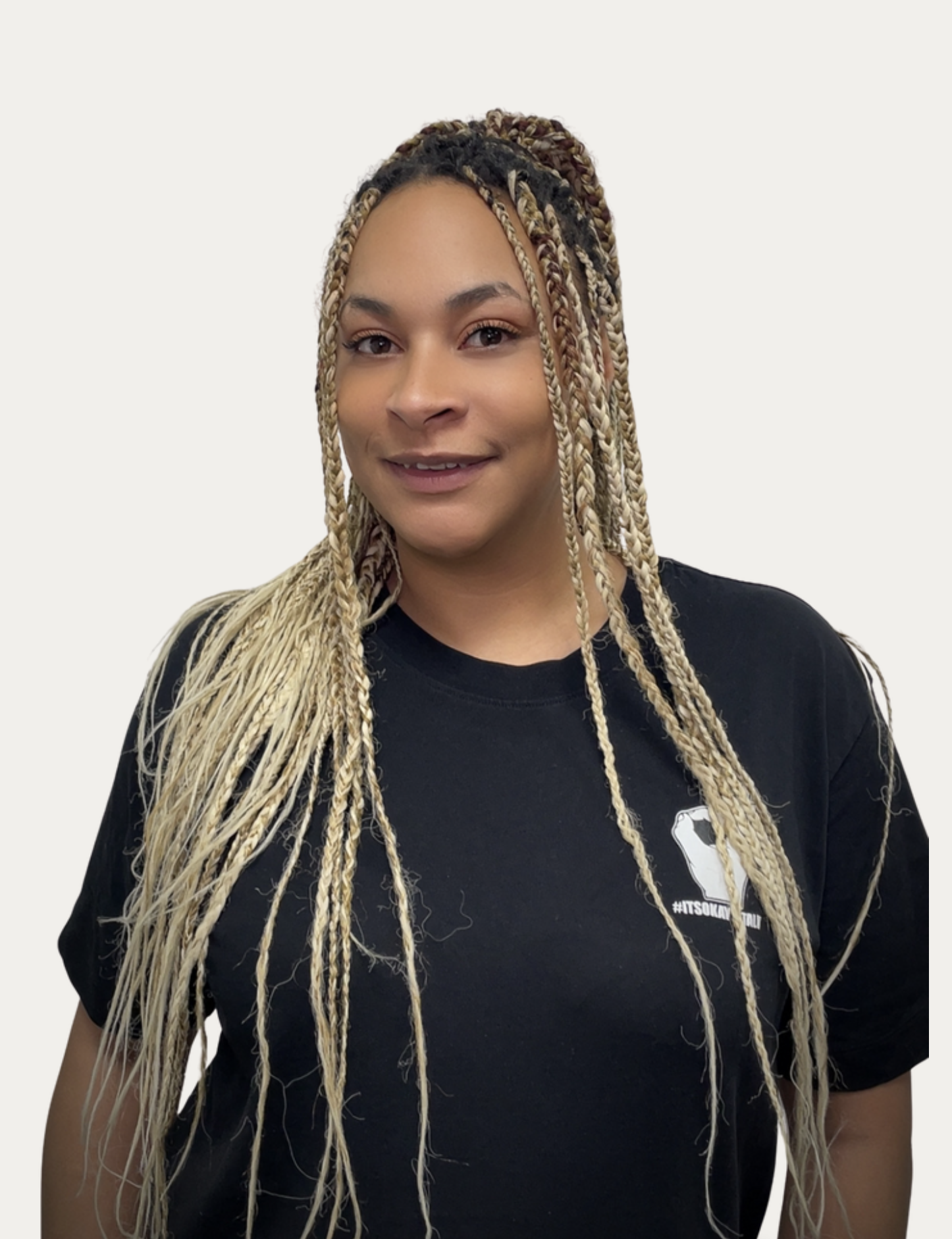
ANDYSMANCLUB is a community, Monday nights are just for men, but every event, campaign and conversation should include everyone. Every action helps us reach more men, reduce stigma, and save lives. #ITSOKAYTOTALK
At the heart of Geneva, volunteers at the local soup kitchen serve more than food; they share compassion and connection. Each meal brings people together
and reminds us that small acts of service can make a big difference. In this interview, one volunteer reflects on what inspired her to get involved and how giving back has strengthened her sense of community.
What inspired you to start volunteering at the Geneva Soup Kitchen?
It all began six years ago on what seemed like an ordinary Sunday. I decided to take a walk into town and, by chance, took a different route. Along the way, I met a few homeless people. Their quiet dignity and gentle spirits touched me deeply. The following weekend, I packed a few lunch boxes and went back to share them. A few weeks later, someone told me about a local soup kitchen in need of volunteers, and that is how my journey began.
How did you first get involved, and what keeps you coming back?
At first, I helped serve meals. But before long, I found myself in the kitchen, doing what I love most: cooking. For the past five years, I have been preparing meals once a week for the soup kitchen and homeless shelter, and more recently, I have started cooking for children in foster families as well.
People often ask how I manage to volunteer in so many places, but to me, it is all connected. It is one big family. I am cooking for my Geneva family, and that is what keeps me coming back. Every time I walk into the shelter, I feel a deep sense of peace, as if I am coming home. I hope the residents feel the same, that when they come upstairs, smell the food, and hear my laughter in the kitchen, they feel love in the air. I want them to know their “sister” is here, cooking with all her heart.
Can you describe a moment that left a lasting impact on you or someone you were helping?
There have been so many. One quiet afternoon, I stopped by the dining room before dinner. No one was there yet, but I noticed something that brought tears to my eyes. The residents had kept all the little notes I had written for them. My French is still a work in progress, so I often write down the menu and a few simple words of encouragement. They had saved every single one, and that small gesture meant the world to me.
Another memory I hold close is of a former resident who is now a freelance makeup artist. She told me, “I come back to the shelter the day after you cook, just to taste your food again.” I remembered how she once shared her dream of becoming a makeup artist. I spent days collecting makeup from friends and finding clothes for her job interviews. Seeing her now, confident, working, and happy, fills me with immense pride. Moments like that remind me that love, when shared, always finds its way back.
How do you connect with people from different walks of life?
It always begins with respect and a smile. When I cook, I am not just feeding people, I am showing them that they matter. I want every meal to carry warmth and kindness, whether it is for adults at the shelter or children in foster care. I cook the same way I would for my own family, with care, heart, and love. Even if it is just one meal, I hope they feel seen, valued, and cared for. Everyone deserves that.
What is the most rewarding lesson you have learned from volunteering?
Volunteering has taught me that giving does not just help others, it transforms you too. It has made me more patient, more grateful, and deeply aware of how much we all need one another. Community is not built with walls or titles, it is built through compassion, shared stories, and small acts of care.
What does volunteering mean to you personally?
As a cook, I see food as a way to express love. For me, it is not only about feeding the body, it is about nourishing the spirit. Every dish I prepare is a message that life can still hold warmth and hope. When someone finds their feet again, moves into their own home, starts a new job, or simply smiles after a hard day, it fills my heart with joy. Sometimes I imagine a former resident sitting in an Asian restaurant, ordering something familiar, and remembering the meals I once made for them, thinking of their “little sister” from the shelter. Just that thought makes everything worthwhile.
What advice would you give to someone thinking about volunteering?
Start small, but start somewhere. You do not need a grand plan, just an open heart. Even the tiniest act of kindness can make a huge difference. Community is built one meal, one smile, and one kind word at a time. When we give from the heart, we do not just feed others, we feed hope itself.
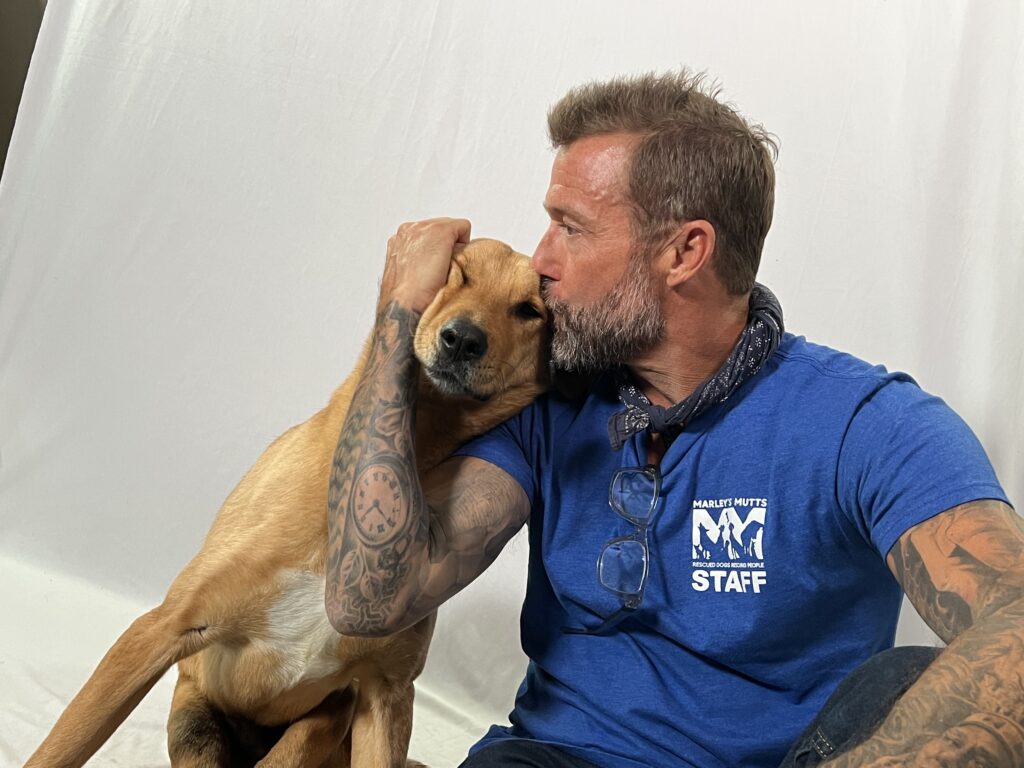
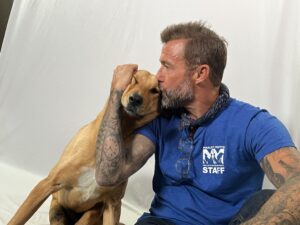
Zach Skow is the founder of Marley’s Mutts Dog Rescue, a California-based nonprofit dedicated to rescuing at-risk dogs, and he also co-created the Pawsitive Change program, which pairs rescue dogs with incarcerated individuals to foster mutual rehabilitation and personal growth. In 2008, Zach was diagnosed with end-stage liver disease at the age of 28, and his rescue dogs, Marley, Tug, and Buddy, played a crucial role in his recovery, providing emotional support and motivation. Through lifestyle changes and the bond with his dogs, his health improved, and he no longer required a liver transplant. Today, Zach serves as Director of Community Relations and Development at Caravita Foundation, where he continues his dedication to animal welfare and community outreach.
How did your own journey of recovery inspire the creation of Marley’s Mutts?
My recovery and my rescue work grew up together; they are inseparable. I started volunteering at the Mojave Animal Shelter in 2000 and instantly fell in love with shelter life. At the time, I was deep in addiction to drugs and alcohol and in a very desperate place. The dogs brought me a kind of peace I hadn’t felt in years, a steady presence amid the chaos.
By 2008, my health collapsed: my liver, kidneys, gallbladder, and pancreas were failing. I spent six weeks at Bakersfield Memorial Hospital, grew sicker, became dependent on morphine and dilaudid, and nearly lost my life. I needed a liver transplant, but I didn’t qualify because I hadn’t achieved six months of sobriety. In what felt like a last-chance move, I was admitted into the comprehensive transplant program at Cedars-Sinai and sent home with one clear condition: six months sober if I wanted a chance at the operation.
“Without recovery, I never would have entered animal rescue, and without the dogs and the work of rescue, I never would have recovered.”
Coming home was terrifying. I was suicidal and had no idea how to live without drugs or alcohol. My dogs literally kept me alive. During the brutal two-day opioid withdrawal, they were there, offering unconditional love when I could barely stand. They breathed life into me and reminded me I was worth fighting for.
Recovery and animal rehabilitation require the same things: rules, boundaries, discipline, exercise, affection, and love. As I learned to give those things to myself, I also learned to give them to the dogs. I began fostering constantly and volunteering at every local shelter I could. Week by week, the fog lifted, the ascites in my belly diminished, and my body and mind started to heal. After six months, I no longer needed a transplant. I was, by any measure, a miracle of that program. That mutual healing is the heart of Marley’s Mutts.
What role did Marley and your other dogs play in helping you through that time?
Marley was the cornerstone of my little pack. I used to call him my “Pack General.” He kept the peace and held our dynamic together while I worked to heal myself and help the dogs heal. Because I was socially anxious and terrified of being in public, Marley went everywhere with me. He was the bridge that helped me step back into the world, giving me the confidence to speak in schools, colleges, recovery centres, and homeless shelters.
There was a night I remember as my absolute lowest. I woke up after an episode of severe illness and found myself physically broken and terrified. I barely recognised the person in the mirror. For the first time, I had truly settled on ending my life. But in that bathroom, my three dogs were with me. They looked up with such uncomplicated, unquestioning love, as if I were the most important person on earth. In their eyes, I wasn’t sick, I wasn’t broken, and I wasn’t disposable. They saw me as someone worth fighting for. That moment changed everything.
“Marley and the dogs healed me, and in healing them I found my purpose.”
Their quiet loyalty taught me how to love and be disciplined, and that lesson is at the heart of everything I do.
What’s one story, of a dog or a person, that best captures the mission of Marley’s Mutts?
Hooch’s story embodies the heart of Marley’s Mutts. He came to us as a severely abused fighting dog, with his tongue cut out, starving, and near death in a shelter, because he couldn’t eat, drink, or regulate his body temperature. He weighed just 36 pounds and was wasting away. Through months of patient care and rehabilitation, we taught Hooch how to eat and drink without a tongue. Against all odds, he not only survived but thrived, eventually reaching a healthy 87 pounds. Hooch went on to become a certified therapy dog, touching the lives of hundreds, if not thousands, of people. Before Hooch, dogs with severe tongue injuries were routinely euthanised. Hooch proved to the world that, with love, innovation, and commitment, a dog once considered “unadoptable” could live a long, happy, and meaningful life. That’s the mission of Marley’s Mutts, to see potential where others see impossibility, and to fight for every dog’s chance at life.
The Pawsitive Change program gives incarcerated individuals a sense of responsibility and purpose through training rescue dogs. Based on your experience, what personal transformations do you most commonly see in participants by the end of the program?
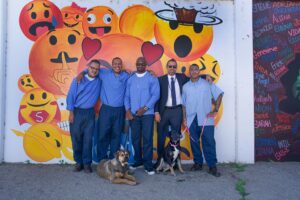
What I’ve seen manifest in others through the program is a complete trajectory change. Students often move from a rut of drug use and illicit behaviour into a groove of structured programming, education, empathy, and sobriety. Many of our graduates, nearly 30, have joined the pet industry as trainers and professionals. Fundamental changes often occur at the spiritual level, creating an entirely different perspective and attitude moving forward.
What has been the most surprising lesson you’ve learned about the healing bond between humans and dogs?
I’ve never been surprised by the healing power of dogs. I’ve always felt it, always known it firsthand. What has surprised me is how many people have opened their hearts to that truth and made rescue, shelter work, and animal advocacy a part of their own lives. Over the years, I’ve watched society move toward deeper compassion and awareness, with more people engaging in rescue, pushing for stronger animal welfare policies, and celebrating the role dogs play in our healing. I’m proud that, through the stories we’ve shared, Marley’s Mutts and Pawsitive Change have played a part in bringing attention, energy, and love to this movement.
What message of hope would you share with someone who feels broken or in need of a second chance?
What helps most in recovery is finding purpose, that sweet spot where what you’re good at intersects with what you love and what fills your heart. Recovery without purpose can feel empty and impossible, but when you discover something to root yourself in, it can carry you forward even when it feels like there’s no wind in your sails. Hope is found in purpose, and purpose is what reminds us that our lives still matter, still have meaning, and are worth fighting for.
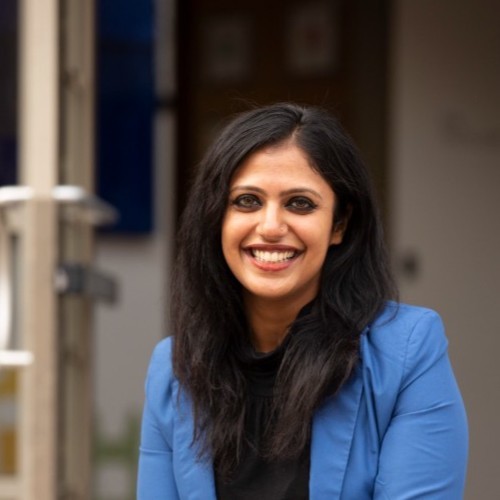
After over a decade in the fast-paced world of corporate tech, a single, rawconversation with a colleague about their personal struggles changed the trajectory of Bindu Fernandes’ life. That moment of shared vulnerability revealed her purpose and burden, leading her to become a trained crisis counselor specializing in sexual, family, and technology-facilitated violence. That journey eventually brought her from sunny California to the heart of Zürich, where she now leads Partnerships and Training for Heart2Heart, the English-speaking helpline for Die Dargebotene Hand. Moving across the globe reinforced a universal truth for her: no matter our cultural background or the various identities we carry, a safe, non-judgmental space is a human fundamental need.
What is Heart2Heart?
Heart2Heart is the dedicated English-speaking National helpline for Switzerland and Liechtenstein.
Hours: Daily from 6:00 PM to 11:00 PM (365 days a year)
Cost: Free of charge
Trained volunteers provide support for anyone experiencing loneliness, relationship issues, mental health struggles, or suicidal thoughts. It is a safe space to talk without giving unsolicited advice. While primarily for adults, the service is open to everyone regardless of origin, religion, or sexual orientation.
If you speak a national language (German, French, or Italian) and need support outside of Heart2Heart’s evening hours, the standard 143 line is available 24/7.
What challenges have you witnessed in the community you support?
The common theme across the expat and migrant communities we support is a lack of community which manifests as social isolation and a sense of not fully belonging. These are further heightened with language barriers and the strain that comes with navigating complex systems of healthcare, education, relationships, culture and career.
How have these challenges helped shape Heart2Heart’s purpose and mission?
Heart2Heart was created with the recognition that Switzerland’s cultural and language landscape is changing and that mental health and emotional well-being resources must adapt to reflect this diversity and contribute to the accessibility and dignity for its residents.
Heart2Heart’s mission and vision are shaped by a clear commitment to inclusion, accessibility, empathy, and support for a diverse population — directly reflecting the lived experiences and challenges of English-speaking migrants in Switzerland.
Can you share a meaningful experience, initiative, or project that created real change?
One of Heart2Heart’s most meaningful initiatives involved building a direct bridge between the Heart2Heart Helpline and the English-speaking therapeutic community. By partnering with psychologists and therapists, we integrated the helpline referral as a seamless extension of their practice – a vital safety net for patients navigating long wait times or the difficult spaces between therapy sessions.
The feedback from these professionals has been deeply moving; many expressed a profound sense of relief, noting how much it eases their personal mental load to know their clients have a compassionate place to land. This collaboration does more than just support the individual in a moment of crisis; it sustains the healers themselves, allowing therapists to rest and recharge knowing their patients are never truly alone.
In what ways has your volunteer journey with Heart2Heart shaped your view of impact and service?
My time with Heart2Heart has softened and widened my understanding of what it means to serve. I’ve learned that care isn’t something we offer only in moments of collapse – it is something we try to weave gently into the everyday, long before a crisis arrives. This journey has shown me that none of us are meant to walk through life alone, and that asking for help, though so many of us have been conditioned to see it as weakness, is in truth one of the bravest acts a person can make. Seeing firsthand how difficult it is for people to reach out has made me more tender with myself, and more attentive to the quiet, unspoken ways our loved ones signal their need for support. Heart2Heart has taught me that true impact lives in these small acts of noticing – in reaching out and in standing with one another because we need each other.
What message of hope or encouragement would you like to leave with the community and supporters?
In a world where so many of us feel acutely alone and the weight of loneliness can seem heavier than ever, it is important to remember that we do not have to carry our burden alone. It is so easy to stay silent, but this is the condition of being human, and there is no shame in reaching out for help and support. We are all essentially walking each other home, and sometimes that means leaning on someone else’s strength until we find our own again.
I encourage us to be kind to ourselves, to look out for one another with an open heart, and to ask for help. Each of us are a vital part of the fabric of humanity, and each of our stories matters.
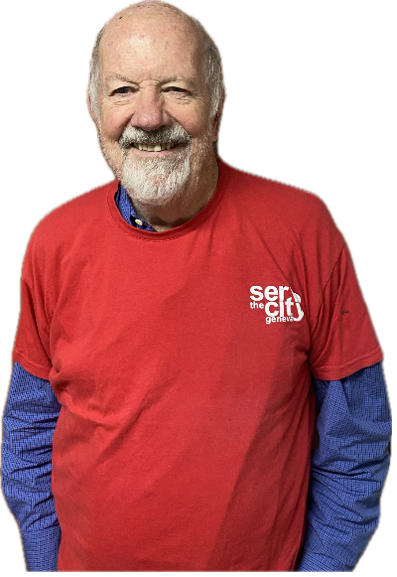
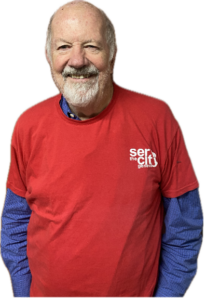
Gary spent over a decade working in IT in San Francisco before accepting what was meant to be a two-year assignment in Geneva, which has now turned into 40 years (not a bad place to stay!). After retiring, he became involved with Serve the City and has since enjoyed a wonderful life working alongside many dedicated volunteers to help others.
Serve the City Geneva has been making a difference since 2010, inspired by the Serve the City International movement that began in Brussels in 2005. The Geneva chapter brings together volunteers eager to mobilise others by partnering with existing organisations that already serve marginalised communities. Their mission is simple yet powerful: to connect people who want to serve with those who need it most.
What inspired you to volunteer with Serve the City Geneva?
I was first motivated by a very good friend of mine who had been the church youth leader for my children. After being ordained, he went to Brussels and started a church, which quickly developed into the service organization Serve the City Brussels.
About ten years later, during a visit to Geneva, he encouraged twelve of us to create a Geneva service team. It began with great energy and enthusiasm and has continued to grow. Over the past fourteen years, we have hosted more than 6,000 volunteers and now have a team of just over 3,000 members.
I have always been drawn to helping others, whether by assisting friends with moving, painting, or home repairs, or supporting single mothers with gardening tasks. Through Serve the City, however, I was introduced to many more people in need within the community, connecting with them through a variety of service organisations across Geneva.
Can you share a memorable moment or experience from your volunteering?
There have been many memorable moments over the years, but I must say that the city of Geneva hosts two absolutely incredible events each year that never fail to inspire me. One of them is called Samedi du Partage, during which more than 90 stores across Geneva invite us to encourage shoppers to contribute items for those in need.
Over the course of this two-day event, the generosity of Geneva’s residents results in more than 30 tons of food and hygiene products being donated, enough to help feed over 2,000 people per day for six months! I’m always delighted that we can contribute to this effort, bringing together over 100 volunteers to support the event.
How has volunteering impacted you personally or changed your perspective?
Throughout my life, I had very little contact with people who were seriously handicapped. One of our project teams organised a visit to a group called Clair Bois, which cares for severely handicapped youth and adults. During my first visit to one of their events, I was deeply moved by the love and joy we received simply through our presence. I can truly say that this experience has been one of the most special and meaningful moments in my journey of serving others.
What would you say to someone considering volunteering with Serve the City Geneva?
Even the smallest act of kindness can mean a great deal, especially to those who are simply struggling to get through life.
Living alongside a partner with chronic illness can be challenging in ways that are often invisible to the outside world. Lucjan B, husband, writer, and founder of Worry Head, knows this first-hand. Through his writing, he offers guidance, empathy, and honest reflections for partners navigating relationships affected by endometriosis and fibromyalgia. In this interview, Lucjan shares his journey, the lessons he’s learned, and the insights he hopes will help couples support each other without losing themselves.
What inspired you to create Worry Head, and how has writing about your journey shaped your relationship?
Before the words endometriosis and fibromyalgia entered our life, all I knew was that my wife was struggling, and nothing made sense. She was exhausted all the time, in pain that seemed to move around her body, and no matter how many appointments we went to, we left with more questions than answers.
For a long time, I watched the woman I love go from dancing, laughing, and dreaming about the future to barely being able to get through a day without collapsing into bed. I felt like I was losing her in slow motion, and I didn’t know how to reach her through the pain.
When she finally received a diagnosis of endometriosis, and the following year fibromyalgia, it was both a relief and a heartbreak. Relief, because we finally had names for the invisible monsters that were stealing her life. Heartbreak, because I realised there was no quick cure, no magic solution I could “fix” for her as a man who just wanted to make things better.
In those early days, I had nowhere to put my fear and confusion. I was supporting her, going to work, trying to hold everything together, but inside I felt completely alone. That’s when I discovered blogging. At first, it was just a private outlet, a place to pour out my thoughts, to make sense of what was happening to us.
Over time, I realised something important: almost everything I read about endometriosis and fibromyalgia focused on the patient, which is absolutely vital, but very little talked about what it’s like to be the partner standing next to them, feeling helpless, scared, and sometimes lost. I didn’t see our story anywhere.
So, Worry Head slowly transformed from a vague idea into a very personal mission:
To write honestly about loving someone with endometriosis and fibromyalgia.
To show partners, especially men, that it’s okay to struggle, to not have all the answers, and to still choose to stay.
To remind women that having these conditions does not make them a burden or unlovable.
Writing about our journey has changed our relationship in ways I never expected. It forced me to really listen to her, not just with my ears, but with my heart. I now ask deeper questions, and I’m less afraid to talk about the hard things: intimacy, fear of the future, money, exhaustion, resentment, grief.
It also gave my wife a new kind of safety. She could see that I wasn’t just “coping” with her illnesses, I was actively learning, growing, and building a life around supporting her without losing myself. Sometimes she reads something I’ve written and says, “I didn’t know you felt it that deeply.” Those moments bring us closer.
Worry Head started as therapy for me, but it became a bridge between us, and a hand reaching out to others walking a similar path.
Looking back, what is one piece of advice you wish someone had given you earlier about supporting a partner living with chronic illness?
If I could go back and talk to the man I was at the beginning of this journey, I would take his shoulders, look him in the eyes, and say: “You cannot fix her illness, but you can rebuild your life around love, flexibility, and understanding.”
I wish someone had told me early on that practical support and emotional safety are just as important as medical treatment. Chronic illnesses like endometriosis and fibromyalgia don’t only attack the body, they also threaten dreams, careers, intimacy, and identity.
One of the hardest truths I’ve learned is that some relationships struggle or even break under this weight. It’s not always because someone is “bad” or doesn’t care enough. Often, it’s because:
The pain from endometriosis can make intimacy terrifying, not romantic. • The bone-deep fatigue and nerve pain from fibromyalgia can make normal daily life feel impossible. • Infertility, repeated losses, or delayed family plans can quietly shatter both partners’ hearts. • Financial pressure builds when one partner can’t work the way they used to.
I’ve heard from many women who were left when pain, infertility, or exhaustion became too much. I’ve also heard from men who stayed but felt completely lost, ashamed of their frustration, guilty for feeling overwhelmed when they weren’t the ones in physical pain.
So, the advice I wish I’d been given is this: Find or create a life that allows you to be present.
For me, that meant building an online business and turning to blogging so I could eventually work from home, be there for my wife during flare-ups, and reduce the fear of “What will happen if she can’t keep working?” But it doesn’t have to be blogging. It could be remote work, flexible hours, a different career path, anything that gives you more presence and less distance.
I also wish someone had told me:
You are allowed to grieve the life you thought you’d have together and still fully love the person in front of you. • Your partner’s endometriosis and fibromyalgia are not a personal rejection of you. Pain is not a choice. • It’s not “unmanly” to cry in the kitchen because you’re scared of losing her, or because she’s in agony and you can’t take it away.
Yes, some men do walk away. But others stay, learn, grow, and become softer, stronger, and more patient than they ever thought possible. I want to speak to those men, the ones who want to stay but don’t always know how.
If someone had told me sooner to focus less on “fixing” her and more on building a flexible, compassionate, sustainable life around both of us, I would have spared myself years of feeling like a failure simply because I couldn’t cure her.
Supporting a loved one with endometriosis or fibromyalgia can be emotionally and physically exhausting. How do you balance your own well-being while being present for your wife during difficult flare-ups?
There’s a quiet kind of exhaustion that comes with loving someone in constant pain. You don’t just see it, you carry it in your own body. At one point, I realised I was holding my breath every time she winced.
In the beginning, I tried to be everything, all at once: caretaker, provider, problem-solver, emotional anchor. I almost disappeared as a person. That doesn’t help anyone, not her, not me, not our relationship.
Over time, we learned to talk honestly about something many couples avoid: boundaries.
My wife told me many times she felt like a burden, like her illnesses were “too much.” She worried I’d be happier with someone healthy, someone who could give me a more “normal” life. Hearing that broke my heart. Not because it wasn’t understandable, but because she truly believed her worth had been reduced to what her body could or couldn’t do.
We had to sit with those painful feelings together. I told her: “Your worth is not measured by your energy levels, your fertility, or how much housework you can do. You are my wife, not a project, not a problem, not a burden.”
But I also had to be honest about my own limits. I was burning out quietly. So, we made some agreements:
I am allowed to be tired and overwhelmed too. • She is allowed to rest without guilt. • We both need time that is not about illness, time where I can write, go to the gym, breathe; and time where she can read, sing, learn, or simply be herself beyond the label of “patient.”
Caring for myself doesn’t mean caring less about her. It means I can show up as the man she needs long-term, not just sprint until I collapse.
On flare-up days, our life slows right down. I might cancel plans without apology, make the environment quiet and soft, help her manage heat pads and pain medication, and be there to listen when the tears come. And when she finally rests, I also check in with myself:
Have I eaten properly today? • Do I need a walk, a shower, a breath of fresh air? • Is there someone I can talk to, even briefly, who understands this life?
Having a shared vision helps too. For us, that vision is building a life where both of us can breathe, through my blogging, through flexible work, through choosing rest over perfection. When I remember why I’m doing this, the weight feels a little lighter.
Balance, for me, isn’t a perfect scale. Some days I give more; some days I need more. But we keep coming back to this: we are a team. Her pain is not my enemy. Burnout is. So, we fight that together.
Through your writing, what message do you most want both men and women to take away about love, support, and chronic illness?
If I could sit across from every couple walking through endometriosis and fibromyalgia, I’d want them to walk away with this: You are not broken for struggling and your relationship is not doomed because illness moved in.
Chronic illness has a way of whispering lies into both hearts:
“You’re too much.” • “You’re not enough.” • “They’d be better off without you.” • “This isn’t a real relationship anymore.”
I want my writing to be a loud, stubborn “No” to those lies.
To women reading this who live with endometriosis and fibromyalgia: You are not a burden just because your body demands more care. Needing rest, pain relief, or help does not make you less lovable, less worthy, or less feminine. Your courage in waking up each day and facing pain that others can’t see is extraordinary, even when you don’t feel strong at all. To men and partners reading this: You are not weak for feeling overwhelmed, scared, or unsure of what to do. You are not a failure because you cannot fix what medicine itself struggles to treat. Your job is not to be a superhero, it’s to be human, present, and willing to learn.
If you take one thing away from my writing, let it be this:
Keep talking. Share the ugly truths, the fears, the anger, the grief. Don’t leave the room emotionally just because you don’t know what to say. • Keep choosing each other. Not in a perfect, fairy-tale way, but in the small, daily decisions: making her tea, going with her to the appointment, admitting when you’re tired, asking for a hug instead of withdrawing. • Get creative about your life. If traditional work, routines, or roles no longer fit, you’re allowed to redesign everything. Work-from-home, flexible jobs, slow weekends, adjusted expectations, these are not failures; they are acts of love. • Protect both hearts. The chronically ill partner needs validation, safety, and belief. The healthier partner needs rest, space, and emotional support too. Both matter. Neither should disappear.
Love in the world of chronic illness doesn’t look like a movie. It looks like heat pads on the bed, slow walks instead of long hikes, changing plans last minute, laughing on the good days, holding each other on the bad ones, and saying, “We will find a way through this together,” even when you’re not sure how yet.
If my words do anything, I hope they make at least one woman feel less alone in her pain, and at least one man feel less ashamed of his struggle to cope. And if they help even one couple realise that their story is still worth fighting for, even with endometriosis and fibromyalgia in the middle, then every sleepless night I’ve spent writing has been worth it.